I take it for granted. I have no shame anymore. I can walk into every situation and disclose that I stutter without regard for the response. I’m not arrogant. I’m honoring the journey that it took to get here. Self-disclosure is not unique to stuttering but an invaluable skill that we must learn to attain social competency.

Tag: Stigma
The ease of stuttering in front of new people is unsettling, as if it was more comfortable to do so with the expectation of someone laughing. It no longer feels like anyone will laugh or negatively react, and I don’t anticipate or expect it either. The unsettling nature comes from bracing for its impact for
Perhaps I have not read enough of the available academic research done on stuttering to date, or that which I have read has not been as accessible as Knowledge Without Action Means Nothing: Stakeholder Insights on the Behaviors that Constitute Positive Change for Adults Who Stutter conducted by Dr. Naomi Rodgers and Dr. Hope Gerlach-Houck. As I
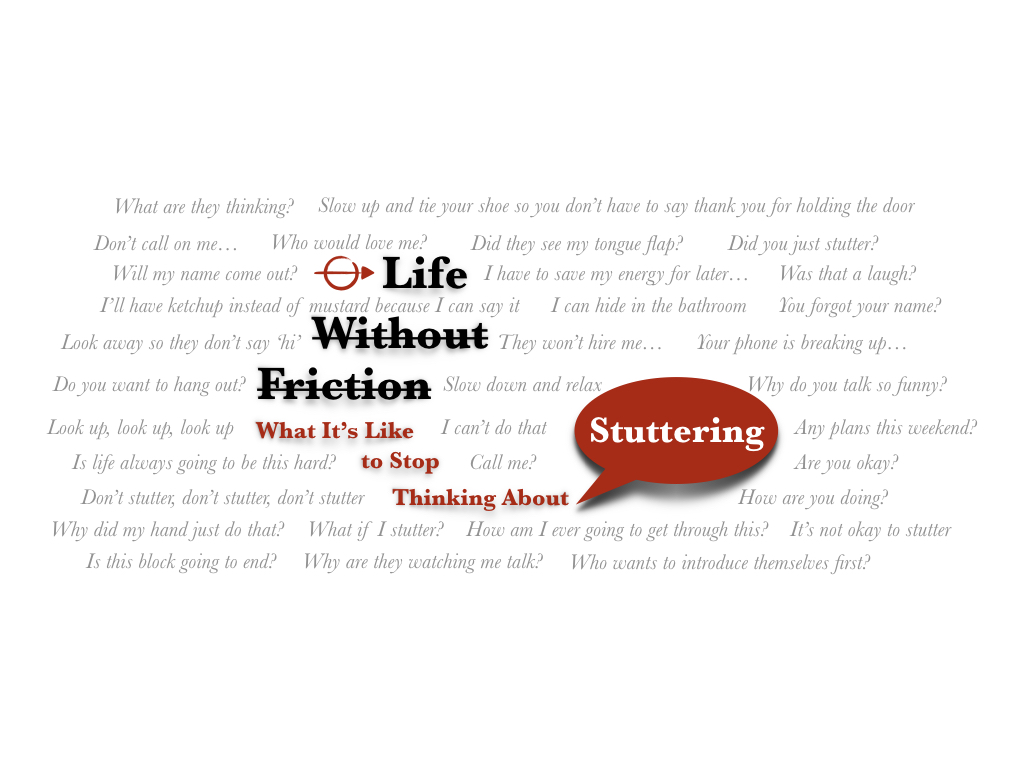
It was more of a feeling I noticed rather than a moment. I was stuttering through situations that had once paralyzed my thoughts in fear without friction. I wasn’t struggling. I didn’t avoid anything. There weren’t any maladaptive side effects to recover from, like what should have been exhaustion from open stuttering more than usual.
“I’m not sure what’s happening here…” my instructor said pointing to the tears welling up in his eyes. He failed to suppress the enormity of the moment. A middle aged, burly, and strong looking man was shaken to his core by my question. I’ve been taking a class much like Toastmasters to work on my public speaking. The
Perspective Disclaimer I am not a speech-language pathologist, nor do I play one on the internet. There are many fantastic SLPs already doing wonderful work. This three-part series has already analyzed my journey through school-based speech therapy and unveiled a soul-cleansing repentance to the SLPs of my past. In this article, you will find that
Perspective Disclaimer I am not a speech-language pathologist, nor do I play one on the internet. There are many fantastic SLPs already doing wonderful work. The first article in this three-part series analyzed my journey through school-based speech therapy. In the following letter, article two, I use a unique format to express deeply held emotions
Stuttering is not the anxiety, hesitations, and fear to struggle. It is what follows the choice to brave each moment of stuttering. What we who stutter do when the tsunami of reactions hits after we stop stuttering, and how we choose to process them is what strengthens it as a disorder. These two choices arise
It’s going to be one of the hardest conversations I will ever have. I already feel responsible for it without even knowing if it will come to fruition, but the likelihood is high. I have met many other people who stutter that have said, “oh, my uncle stutters” in response to the question as to
Why do you talk like that daddy? The anticipation of this question hangs ominously as I wait for my son to learn how to talk. While a toddler, his innocence extends to adults who often express the same uncertainty without saying the words. By accommodating his curiosity, I have the opportunity to describe stuttering as