“When I first started, I wasn’t comfortable at all doing interviews. I’ve kind of gotten to a point where I just don’t care. If I do an interview, and I have a stutter and then I have to see a lot of things online where people say I say ‘then’ and ‘like’ a lot but
Tag: Fear
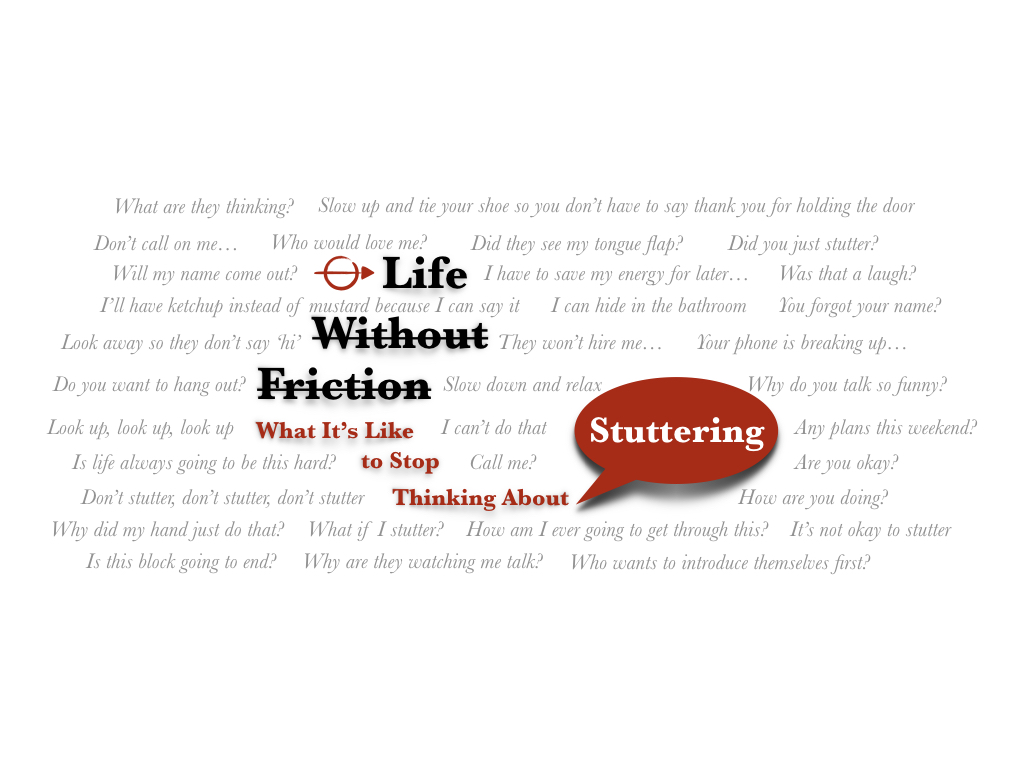
It was more of a feeling I noticed rather than a moment. I was stuttering through situations that had once paralyzed my thoughts in fear without friction. I wasn’t struggling. I didn’t avoid anything. There weren’t any maladaptive side effects to recover from, like what should have been exhaustion from open stuttering more than usual.
With the end of most of the mask mandates, I am confronting an uncomfortable reality—showing my stuttering, again. I hadn’t anticipated the fear and anxiety of doing so after over two years of hiding. The gut-punch landed and left me scurrying to find my bearings. It isn’t that I care what people think of how my
We who stutter need more speech-language pathologists with the courage and blunt honesty like what SpeechIRL demonstrated in their new article, “Just Stop with the Damn Disfluency Counts.” The pseudo-anonymous, united approach of this call-to-arms by SpeechIRL is commendable, and perhaps a foundation for a wider proactive movement—not just a discussion—to confront this aged-out stutter-counting practice. And that is how
Perspective Disclaimer I am not a speech-language pathologist, nor do I play one on the internet. There are many fantastic SLPs already doing wonderful work. The first article in this three-part series analyzed my journey through school-based speech therapy. In the following letter, article two, I use a unique format to express deeply held emotions
Perspective Disclaimer I am not a speech-language pathologist, nor do I play one on the internet. There are many fantastic SLPs already doing wonderful work who are waiting to work with we who stutter. This three-part series uses and analyzes my journey through school-based speech therapy as a case study, and includes my history from
Several years ago I volunteered to speak on a panel about my experiences in the workplace with a hidden disability. The event was held by company executives in honor of national disability awareness month. There were three other panelists who shared their stories of adjusting to physical disabilities derived from health ailments. I spoke last.
My son has experienced my stutter every day of his life. He has heard, seen, and felt it in all its glory, whether he knows what it is or not. I have never hidden it from him. When he was born, I made a vow to myself that stuttering will never stand in the way
I suppose I’ve been numbing this fear. I have not stopped thinking about it since I found out I was going to be a father to a son. I sense its presence and feel how it influences my time with him, but I’m in denial when I tell my wife that I’m not afraid. Now,
Stuttering, to me, is a behavior of inaction and avoidance, rather than a stigma-laden disorder of speech. I fought for years against the inner life of stuttering and its side effects without a reprieve. I never won. Until I did. After many years failing to become fluent, I fatefully found a different approach that had been missing