The urgency to live life to its fullest, to do the most that we can with the time that we’re lucky enough to receive, seems more urgent to someone like myself who lives with stuttering. This is the case because as superb writer at The Atlantic John Hendrickson proclaims we who stutter live our lives on delay until we
Category: Change
The Well Each day takes its fillSome moreSome lessOthers, too much. Each cup starts fullThen goes down the bottomless hatchQuenchinglife and progress. When we go back to the WellTime in time againWhat remains lessensAbsorbing without refilling. The Well knowsBut the bucket doesn’t— The bucket receives less and less,The drinker only droplets until nothing. Leave the
“When I first started, I wasn’t comfortable at all doing interviews. I’ve kind of gotten to a point where I just don’t care. If I do an interview, and I have a stutter and then I have to see a lot of things online where people say I say ‘then’ and ‘like’ a lot but
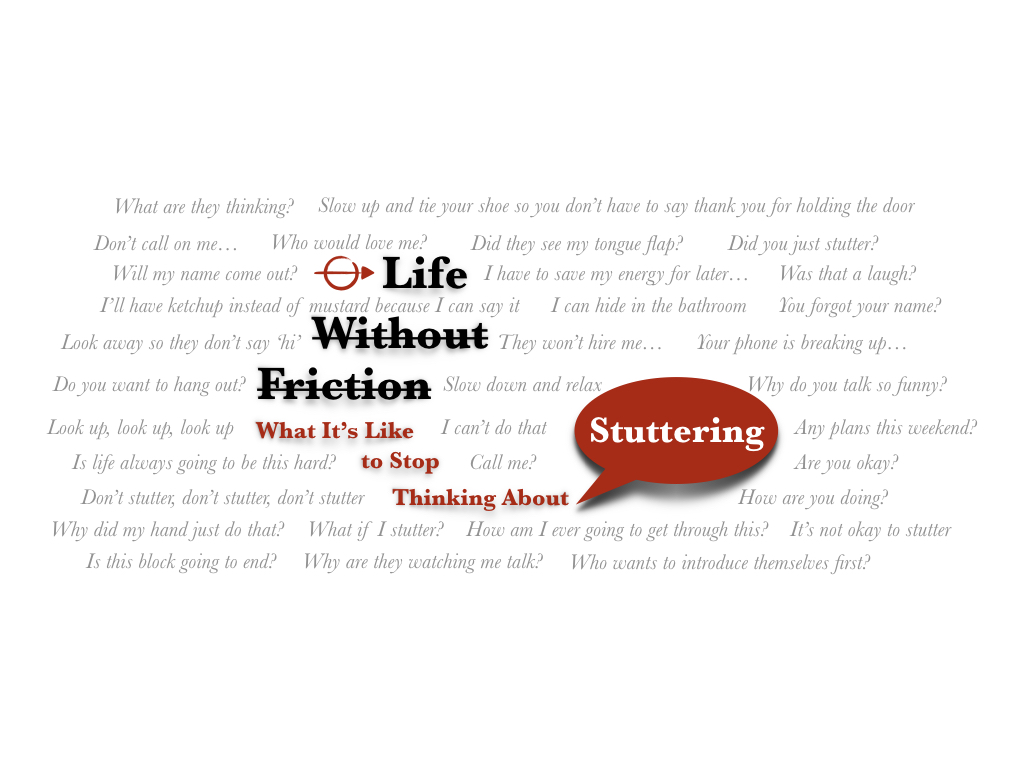
It was more of a feeling I noticed rather than a moment. I was stuttering through situations that had once paralyzed my thoughts in fear without friction. I wasn’t struggling. I didn’t avoid anything. There weren’t any maladaptive side effects to recover from, like what should have been exhaustion from open stuttering more than usual.
“Paper or plastic, sir?” asked the cashier, a middle-aged woman with a friendly face. I stumble a bit, struggling for a few seconds on plastic. It was just enough for me to get a smirk, a thought the woman had about why it took me so long to answer such a simple question. I could’ve
Perspective Disclaimer I am not a speech-language pathologist, nor do I play one on the internet. There are many fantastic SLPs already doing wonderful work. This three-part series has already analyzed my journey through school-based speech therapy and unveiled a soul-cleansing repentance to the SLPs of my past. In this article, you will find that
We who stutter need more speech-language pathologists with the courage and blunt honesty like what SpeechIRL demonstrated in their new article, “Just Stop with the Damn Disfluency Counts.” The pseudo-anonymous, united approach of this call-to-arms by SpeechIRL is commendable, and perhaps a foundation for a wider proactive movement—not just a discussion—to confront this aged-out stutter-counting practice. And that is how
Stuttering is not the anxiety, hesitations, and fear to struggle. It is what follows the choice to brave each moment of stuttering. What we who stutter do when the tsunami of reactions hits after we stop stuttering, and how we choose to process them is what strengthens it as a disorder. These two choices arise
Several years ago I volunteered to speak on a panel about my experiences in the workplace with a hidden disability. The event was held by company executives in honor of national disability awareness month. There were three other panelists who shared their stories of adjusting to physical disabilities derived from health ailments. I spoke last.
My son has experienced my stutter every day of his life. He has heard, seen, and felt it in all its glory, whether he knows what it is or not. I have never hidden it from him. When he was born, I made a vow to myself that stuttering will never stand in the way